
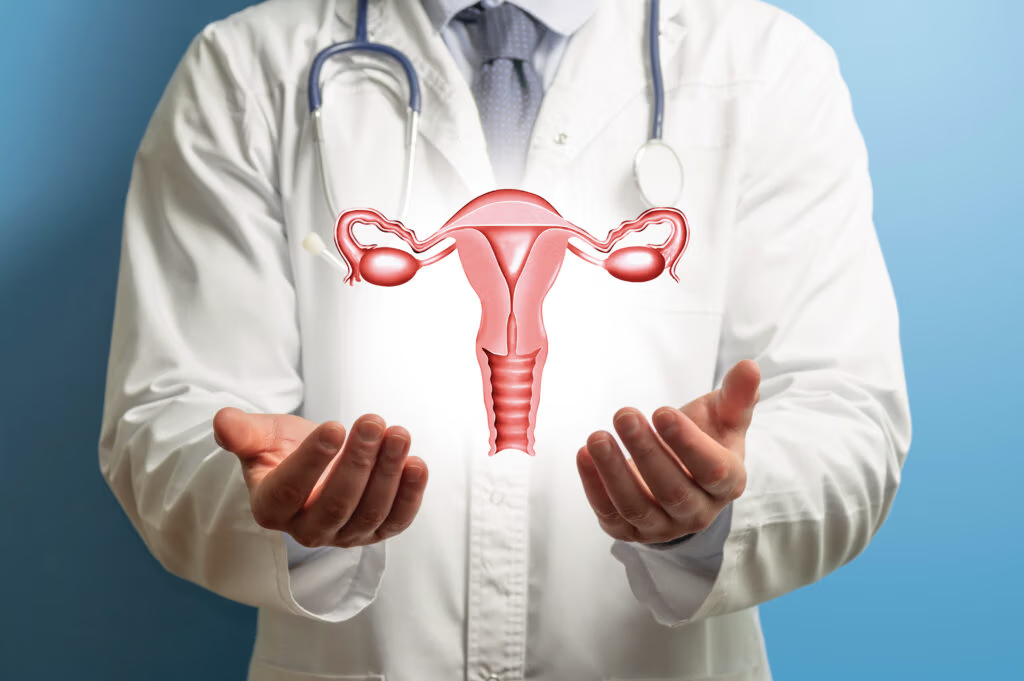
Advanced, Minimally Invasive Fertility-Focused Surgical Care near Boston Massachusetts, New England
What is Reproductive Surgery?
Reproductive surgery is a minimally invasive, fertility-focused surgical approach used to diagnose, repair, or treat reproductive disorders such as tubal blockage, endometriosis, fibroids, and congenital uterine anomalies. It is used when patients experience infertility, pelvic pain, abnormal bleeding, or structural conditions that interfere with reproductive function. Unlike traditional open surgery, reproductive surgery near Boston Massachusetts, New England prioritizes precision, faster recovery, and preservation of fertility whenever possible, offering patients advanced care close to home.
What Reproductive Surgery Treats
Reproductive surgery addresses a wide range of pelvic and fertility-related conditions that affect the uterus, fallopian tubes, ovaries, and pelvic cavity.
Conditions treated include:
- Tubal ligation reversal: This procedure reopens or reconnects fallopian tubes that were previously tied, helping restore natural fertility.
- Fibroid removal surgery: Fibroids are noncancerous uterine growths that can cause pain or infertility, and surgical removal helps restore normal uterine function.
- Tubal surgery: This includes repairing damaged tubes or removing blockages that interfere with natural conception.
- Ovarian torsion surgery: This emergency procedure untwists the ovary to prevent tissue damage and preserve ovarian function.
- Hysteroscopic surgery: This technique treats internal uterine issues such as polyps or septums without abdominal incisions.
- Uterine septum surgery: Removing a uterine septum can reduce miscarriage risk and improve healthy pregnancy outcomes.
- Laparoscopy for infertility: This minimally invasive approach helps identify and treat infertility-related pelvic conditions.
- Fallopian tube surgery: Restores tubal patency to improve the chances of natural conception.
- Hysteroscopic septum resection: Removes a mid-uterine wall that may cause infertility or pregnancy loss.
- Hysteroscopic polyp removal: Uterine polyps are removed to reduce bleeding and support successful implantation.
- Pelvic reconstruction surgery: Rebuilds or restores pelvic structures affected by disease or prior surgeries.
- Fertility surgery: Improves anatomical issues that interfere with egg transport, implantation, or pregnancy.
- Reproductive surgery: A broad category of procedures focused on restoring normal reproductive anatomy and function.
- Infertility surgery: Targets conditions that cause conception challenges, improving natural fertility potential.
- Laparoscopic adhesiolysis: Removes scar tissue that can cause pain or block reproductive organs.
- Minimally invasive endometriosis surgery: Precisely removes endometriosis tissue while preserving healthy anatomy.
- Endometriosis specialist surgeon procedures: Advanced techniques to treat deep pelvic endometriosis and associated infertility.
- Robotic fibroid surgery: Robotic tools allow precise removal of fibroids with minimal tissue disruption.
- Endometriosis-related pelvic surgery: Treats lesions that cause pain, bowel symptoms, and infertility.
- Fallopian tube laparoscopic surgery: Helps unblock or repair tubes through small incisions.
- Hysteroscopic adhesiolysis: Removes scar tissue inside the uterus to improve cycles, reduce pain, and support fertility.
- Minimally invasive reproductive surgery: Uses tiny incisions and advanced tools for faster healing.
- Robotic pelvic surgery: Provides enhanced precision for complex pelvic cases.
- Tubal blockage surgery: Opens or repairs tubes obstructed by scar tissue or prior infection.
Common symptoms that may require evaluation:
- Chronic pelvic pain that interferes with daily life: his is persistent discomfort in the lower abdomen that can make routine activities, work, or exercise difficult. It often signals an underlying reproductive or pelvic condition that may require surgical evaluation.
- Infertility lasting 6–12 months without success: When a patient is unable to conceive after consistent, unprotected intercourse for six months to a year, it may indicate a structural or hormonal issue. Reproductive surgery can help identify and treat the root cause.
- Heavy or irregular menstrual bleeding: This includes unusually long, painful, or unpredictable periods that can disrupt normal routines. Such symptoms often point to polyps, fibroids, or hormonal imbalances that may benefit from surgical correction.
- Painful periods or pain during intercourse: Severe menstrual pain or discomfort during sex can be signs of endometriosis, adhesions, or other pelvic conditions. These symptoms should be evaluated early to prevent worsening inflammation or scarring.
- Bowel or bladder symptoms linked to endometriosis: Some patients experience constipation, diarrhea, urinary urgency, or painful bowel movements due to endometriosis affecting the pelvic organs. Surgery may be required to remove deep lesions and relieve these symptoms.
- Recurrent pregnancy loss or implantation failure: Experiencing multiple miscarriages or failed IVF transfers may indicate a uterine abnormality such as a septum, scarring, or polyps. Reproductive surgery can correct these issues and improve the chances of a successful pregnancy.
Why this approach is recommended
Reproductive surgery near Boston Massachusetts, New England is often recommended to diagnose hidden pelvic disease, restore anatomy, relieve symptoms, and improve fertility outcomes using the least invasive methods possible.
How Reproductive Surgery Works (Step-by-Step Overview)
- Evaluation & Imaging: Patients undergo ultrasound, MRI, or hysteroscopy to identify reproductive abnormalities clearly.
- Minimally Invasive Access: Surgeons operate through tiny incisions using laparoscopes or through the uterus using hysteroscopes, reducing trauma to surrounding tissue.
- Advanced Tools & Technology: Laparoscopy, robotic platforms, fiber-optic cameras, and precision energy devices allow surgeons to remove disease with extreme accuracy.
- Correction or Removal: Scar tissue, fibroids, endometriosis, polyps, or blockages are removed while preserving healthy reproductive structures.
- Fertility Preservation Focus: The goal is to protect ovarian reserve, maintain uterine integrity, and restore fallopian tube function whenever possible.
- Enhanced Recovery: Patients near Boston Massachusetts, New England typically return home the same day with minimal postoperative discomfort.
Benefits of Reproductive Surgery
- Minimally invasive techniques: These procedures use tiny incisions that significantly reduce discomfort and scarring.
- High-precision surgical methods: Robotic and laparoscopic tools allow exact treatment of delicate reproductive organs.
- Faster recovery times: Most patients resume light activities within a few days and return to work quickly.
- Less bleeding and tissue trauma: Smaller instruments help preserve healthy reproductive tissues.
- Lower complication rates: Minimally invasive surgery helps reduce infection, adhesions, and postoperative risks.
- Reduced recurrence of disease: Advanced excision techniques lower the chance of conditions returning.
- Improved fertility potential: Restoring normal anatomy supports more successful conception outcomes.
Who Is a Good Candidate for Specialized Endometrioma Excision
- Women with moderate to severe endometriosis (Stages II–IV): These patients often benefit from excision to relieve pain and support fertility.
- Patients with painful ovarian cysts (endometriomas): Surgery can remove cysts while preserving healthy ovarian tissue.
- Those with chronic pelvic pain not responding to medication: Surgical intervention may address the underlying cause.
- Individuals with suspected deep infiltrating endometriosis: Advanced imaging and surgery can treat complex disease.
- Patients aiming to preserve or improve fertility: Surgery helps restore normal pelvic anatomy to support conception.
- Women with fibroids, adenomyosis, or uterine abnormalities: These conditions may require specialized procedures to restore uterine function.
Risks & Considerations of Reproductive Surgery
Every surgical procedure carries risks, including bleeding, infection, or reactions to anesthesia. Some patients may experience temporary postoperative pain, bloating, or spotting depending on the procedure. While minimally invasive approaches are preferred, severe disease or complex anatomy may require conversion to open surgery. Patients near Boston Massachusetts, New England receive individualized evaluations to ensure the safest surgical plan.
Recovery & What to Expect After the Procedure
Most patients return to work within 3–7 days depending on the extent of surgery. Pain is usually mild and managed with oral medication. A follow-up appointment is typically scheduled within 1–2 weeks to monitor healing and review next steps. Full internal healing may take several weeks, and symptom improvement—especially for endometriosis or fibroid-related issues—often becomes noticeable within one to two menstrual cycles.
Frequently Asked Questions (FAQs)
1. What is reproductive surgery?
Reproductive surgery includes minimally invasive or open surgical procedures that diagnose or treat conditions affecting fertility, the reproductive organs, or pelvic function. It is often used to restore normal anatomy, relieve symptoms, and improve fertility outcomes.
2. Do reproductive endocrinologists perform surgery?
Yes, many reproductive endocrinologists perform surgery, especially minimally invasive procedures related to fertility and reproductive health. However, complex cases may be referred to specialized reproductive surgeons or endometriosis excision specialists for advanced treatment.
2. Is robotic surgery better for endometriosis?
Robotic surgery provides enhanced visualization and precision, which can be especially beneficial for deep infiltrating endometriosis.
4. How long is recovery after excision surgery?
Most patients recover enough for normal daily activities within a week, with full internal healing occurring over several weeks.
5. Will this improve fertility?
Yes, procedures such as tubal surgery, fibroid removal, adhesiolysis, and endometriosis excision often improve natural fertility rates.
6. Is reproductive surgery covered by insurance?
Many procedures are covered when deemed medically necessary, though fertility-specific services may vary by plan.
7. Does reproductive surgery treat deep endometriosis?
Yes, minimally invasive excision performed by a specialist is one of the most effective treatments for deep infiltrating endometriosis.