
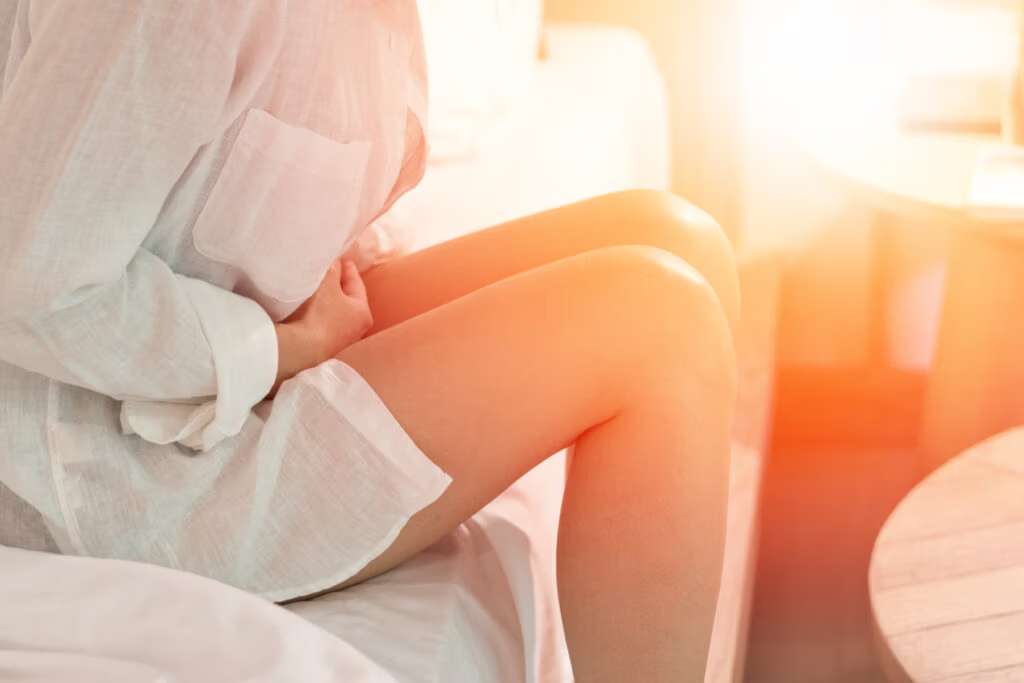
Understanding Symptoms, Evaluation, and Care
What is Pelvic Pain?
Globally, studies estimate that up to 15–25% of women experience some form of chronic pelvic pain during their lifetime, highlighting how common and under-recognized this condition is. Despite its prevalence, many women face delays in diagnosis or inadequate treatment due to the complexity of symptoms and limited awareness among healthcare providers.
If you’re experiencing pain during sex, painful periods, or chronic pelvic pain, you’re not alone. Pelvic pain is a broad term describing discomfort in the lower abdomen, pelvis, or reproductive organs. It can be acute or ongoing, cyclical or unpredictable, and may include severe menstrual cramps, sharp pain during intercourse, or pelvic pain during period cycles.
Pelvic pain is frequently misunderstood or misdiagnosed because its symptoms overlap with many other conditions—including bowel disorders, bladder issues, and gynecologic conditions such as endometriosis or fibroids.
This page explains what pelvic pain is, why it happens, and what patients should know about accurate diagnosis and evidence-based treatment options.
Key Symptoms of Pelvic Pain
Common Symptoms
- Painful periods: Many women experience moderate to severe discomfort during their menstrual cycles. This pain can range from a dull ache to intense cramping that affects the lower abdomen and back.
- Pelvic pain during period or ovulation: Some individuals feel pain not only during menstruation but also around ovulation, often caused by hormonal changes or underlying conditions like endometriosis or ovarian cysts.
- Debilitating period pain that interferes with daily activities: In some cases, menstrual pain is severe enough to prevent normal daily routines, including work, school, or social activities, significantly impacting quality of life.
- Chronic pelvic pain lasting more than six months: Ongoing discomfort in the pelvic region that persists for six months or longer is considered chronic pelvic pain and may indicate underlying gynecologic, gastrointestinal, or musculoskeletal issues.
- Deep dyspareunia (pain with deep penetration): Pain experienced during deep vaginal penetration can make sexual activity uncomfortable or impossible, often linked to conditions such as endometriosis or pelvic floor dysfunction.
- Sharp pain during intercourse: Some women report sudden, intense pain during sexual activity, which can be localized to the vagina, cervix, or deeper pelvic structures.
- Severe menstrual cramps: Menstrual cramps that are intense and recurring can disrupt sleep, daily tasks, and overall wellbeing, and may signal conditions like fibroids or adenomyosis.
Less Common or Overlooked Symptoms
- Bowel pain during period: Some women experience cramping, bloating, or discomfort in the lower abdomen and intestines during menstruation. This pain can feel similar to gastrointestinal disorders, making it easy to overlook as a pelvic pain symptom.
- Pelvic pain with vomiting during heavy menstrual days: Severe menstrual pain can sometimes trigger nausea and vomiting, particularly on days with heavy bleeding. These symptoms may indicate conditions like endometriosis or dysmenorrhea.
- Pain radiating to the lower back, hips, or legs: Pelvic pain can extend beyond the pelvis itself, sometimes affecting the lower back, hips, or legs due to nerve involvement or musculoskeletal tension.
- Abdominal bloating: Many women notice swelling or a feeling of fullness in the lower abdomen during painful periods or ovulation, which can worsen discomfort and cramping.
- Pain triggered by full bladder or urination: Discomfort may increase when the bladder is full or during urination, potentially signaling urinary tract involvement or interstitial cystitis.
Symptoms That Mimic Other Conditions
- IBS-like bowel changes : Pelvic pain can accompany constipation, diarrhea, or other bowel changes, often leading to misdiagnosis as irritable bowel syndrome (IBS).
- Urinary urgency resembling interstitial cystitis: Some women feel a frequent need to urinate or a burning sensation, which can mimic bladder disorders like interstitial cystitis.
- Appendicitis-type abdominal pain: Occasionally, pelvic pain may present as sharp, localized abdominal pain similar to appendicitis, complicating accurate diagnosis.
- Musculoskeletal pelvic floor pain:Tension or dysfunction in the pelvic floor muscles can cause aching, pressure, or spasms, contributing to chronic pelvic discomfort.
When Symptoms Tend to Worsen
- Around menstruation: Pelvic pain often peaks during menstrual cycles due to hormonal fluctuations, uterine contractions, or inflammation.
- During ovulation: Some women experience mid-cycle pain when an ovary releases an egg, sometimes called “mittelschmerz,” which can be sharp or crampy.
- With intercourse (including deep dyspareunia): Pain during sexual activity, especially deep penetration, can worsen due to underlying gynecologic or muscular conditions.
- With bowel movements or constipation: Pelvic pain can increase during bowel movements, straining, or constipation, often related to intestinal pressure or pelvic floor tension.
- During heavy physical activity: Exercise or strenuous movement may exacerbate pelvic pain, particularly if pelvic muscles are tense or inflamed.
Causes & Risk Factors
If you’re experiencing pelvic pain, painful periods, or chronic pelvic discomfort, you’re not alone—these symptoms affect many people and can significantly impact daily life. Understanding what’s behind these symptoms is the first step toward relief. Below, we outline the possible causes and risk factors that may contribute to pelvic pain.
Possible Causes
- Hormonal fluctuations affecting the uterus, ovaries, and pelvic muscles: Shifts in estrogen and progesterone levels throughout the menstrual cycle can trigger uterine contractions, ovarian discomfort, or muscle tension, leading to pelvic pain.
- Chronic inflammation in pelvic organs: Ongoing inflammation in the reproductive organs, such as the uterus or ovaries, can create persistent discomfort or exacerbate pain during menstruation.
- Endometriosis (a common cause of debilitating period pain and pelvic pain with vomiting): Endometriosis occurs when tissue similar to the uterine lining grows outside the uterus, often causing severe cramps, pelvic pain, and even nausea or vomiting during periods.
- Fibroids or ovarian cysts: Noncancerous growths like fibroids or cysts can stretch, press on surrounding tissues, and disrupt normal pelvic function, resulting in pain or pressure.
- Pelvic floor muscle dysfunction: Tight, weak, or spasming pelvic floor muscles can contribute to chronic pain, urinary issues, and discomfort during intercourse.
- Adhesions from prior surgeries: Scar tissue from previous abdominal or pelvic surgeries may bind organs together or restrict normal movement, causing persistent pelvic pain.
- Pelvic infections (current or past): Infections of the reproductive tract, bladder, or gastrointestinal system can inflame tissues and result in acute or lingering pelvic discomfort.
- Digestive or urinary disorders: Conditions like irritable bowel syndrome, interstitial cystitis, or urinary tract infections can mimic or worsen pelvic pain, making diagnosis more complex.
Risk Factors
- Early onset of menstruation: Beginning menstruation at a young age may increase lifetime exposure to hormonal cycles, potentially contributing to painful periods and pelvic issues.
- Heavy or irregular cycles: Menstrual cycles that are unusually heavy or inconsistent can strain the uterus and surrounding tissues, increasing the likelihood of pelvic pain.
- Family history of reproductive disorders: Genetic predisposition to conditions like endometriosis or fibroids can make individuals more susceptible to chronic pelvic discomfort.
- Prior abdominal or pelvic surgery: Past surgeries may leave scar tissue or adhesions that interfere with normal pelvic organ function, contributing to ongoing pain.
- Autoimmune or inflammatory conditions: Disorders that trigger systemic inflammation, such as autoimmune diseases, can heighten sensitivity and increase the risk of pelvic pain.
- Long-standing painful periods or severe menstrual cramps: Experiencing consistently intense menstrual pain over time may indicate underlying conditions and can worsen chronic pelvic discomfort.
How Pelvic Pain Affects the Body
This condition can influence multiple pelvic structures, leading to pain, functional changes, and long-term complications. Below is an overview of how it affects the body and daily life.
- Chronic inflammation: Can lead to swelling, pressure, and increased sensitivity of pelvic nerves.
- Adhesions or scar tissue: Reduce organ mobility and contribute to sharp pain during intercourse or deep dyspareunia.
- Organ involvement: Pain may affect the uterus, ovaries, bowel, bladder, or pelvic floor muscles; some patients experience bowel pain during period episodes.
- Impact on fertility: Some underlying conditions interfere with ovulation, tubal function, or embryo implantation.
- Impact on quality of life: Pain during sex, chronic pelvic pain, and debilitating period pain can affect work, relationships, and emotional health.
Diagnosis: How Doctors Evaluate Pelvic Pain
Diagnosing this condition involves combining a detailed symptom history with a targeted physical exam and appropriate imaging. The following outlines the key steps doctors use to accurately evaluate and identify the underlying cause.
Patient History
- Onset, duration, and pattern of symptoms
- Relation to menstrual cycle, intercourse, or bowel/bladder activity
- Presence of pain during sex or sharp pain during intercourse
- Past surgeries or pregnancies
Physical Exam Findings
- Pelvic exam to localize tenderness
- Pelvic floor muscle assessment
- Evaluation for masses, cysts, or areas of hypersensitivity
Imaging Options
- Pelvic ultrasound
- Transvaginal ultrasound
- MRI for detailed soft-tissue visualization
Why Some Diagnoses Require a Surgical View
Laparoscopy may be necessary to confirm conditions difficult to see on imaging, such as endometriosis or adhesions.
Misdiagnosis Challenges
Pelvic pain overlaps with gastrointestinal, urinary, and musculoskeletal disorders, which is why symptoms like pelvic pain with vomiting or bowel pain during period can lead to confusion.
What Patients Can Expect
A thorough evaluation combining history, exam, imaging, and sometimes minimally invasive diagnostic procedures.
Treatment Options
Treatment for this condition aims to reduce pain, improve function, and support fertility when needed. Below is an overview of both non-surgical and surgical options, along with guidance on when surgery may be appropriate.
A. Non-Surgical Care
- Pain management: NSAIDs, heat therapy, nerve pain medications.
- Hormonal treatments: Birth control pills, hormonal IUDs, injections to stabilize hormonal fluctuations that worsen painful periods or severe menstrual cramps.
- Physical therapy: Pelvic floor therapy to address muscular pain or tension.
- Anti-inflammatory strategies: Diet modification, supplements, and lifestyle adjustments.
- Behavioral therapy: For chronic pelvic pain linked with central sensitization.
B. Surgical Treatments
- Laparoscopy: Minimally invasive approach to diagnose and treat adhesions, endometriosis, or cysts.
- Robotic surgery: May enhance precision in complex cases.
- Excision vs. ablation: Excision removes diseased tissue; ablation destroys it on the surface.
- Removal of lesions, cysts, fibroids, or scar tissue.
- Multidisciplinary approaches: Collaboration with colorectal or urology specialists when bowel or bladder involvement causes symptoms such as bowel pain during period.
C. Fertility Considerations
- Surgery may help restore anatomy by removing obstructions or scar tissue.
- IVF may be recommended if pelvic structures are compromised.
- Some causes of chronic pelvic pain also reduce ovarian reserve or tubal function.
D. When Surgery Is Typically Recommended
- Failure of conservative treatment
- Severe menstrual cramps unresponsive to medication
- Persistent pain during sex or deep dyspareunia
- Suspected severe endometriosis or adhesions
- Significant organ involvement
Living With Pelvic Pain
Living with pelvic pain involves actively managing symptoms and maintaining overall well-being. Practical strategies, symptom tracking, and emotional support can help improve daily life and guide effective care.
- Track symptoms, including pelvic pain during period or pelvic pain with vomiting, to identify patterns.
- Monitor period intensity and timing.
- Use heat therapy, exercise modification, and stress-reduction strategies.
- Seek support for emotional and mental health; chronic pelvic pain can affect mood, relationships, and intimacy.
- Reach out to a specialist if symptoms worsen or if pain interferes with daily life.
Frequently Asked Questions (FAQs)
- Is pelvic pain the same as endometriosis?
No. Endometriosis is one possible cause, but pelvic pain can arise from many gynecologic, gastrointestinal, urinary, and musculoskeletal conditions.
- Why do I have pain during my period?
Pelvic muscles, uterus, and surrounding organs become more sensitive during menstruation. Conditions like endometriosis or fibroids can intensify painful periods or severe menstrual cramps.
- Why do I experience pain during sex?
Deep dyspareunia or sharp pain during intercourse can be caused by pelvic floor tension, inflammation, cysts, or conditions involving the uterus, ovaries, or surrounding tissues.
- Can this condition affect fertility?
Yes. Depending on the underlying cause, pelvic pain may interfere with ovulation, tubal function, or implantation.
- How long does it take to get diagnosed?
Many patients experience delays due to overlapping symptoms, especially when pelvic pain mimics bowel or bladder disorders.
6. What exams should I ask my doctor about?
Ultrasound, transvaginal ultrasound, MRI, and—when appropriate—diagnostic laparoscopy