Understanding Ovarian Endometriomas and How They Affect Reproductive and Pelvic Health
What is Endometrioma?
If you’re experiencing ovarian cyst pain, painful ovulation, or severe menstrual cramps, you’re not alone.
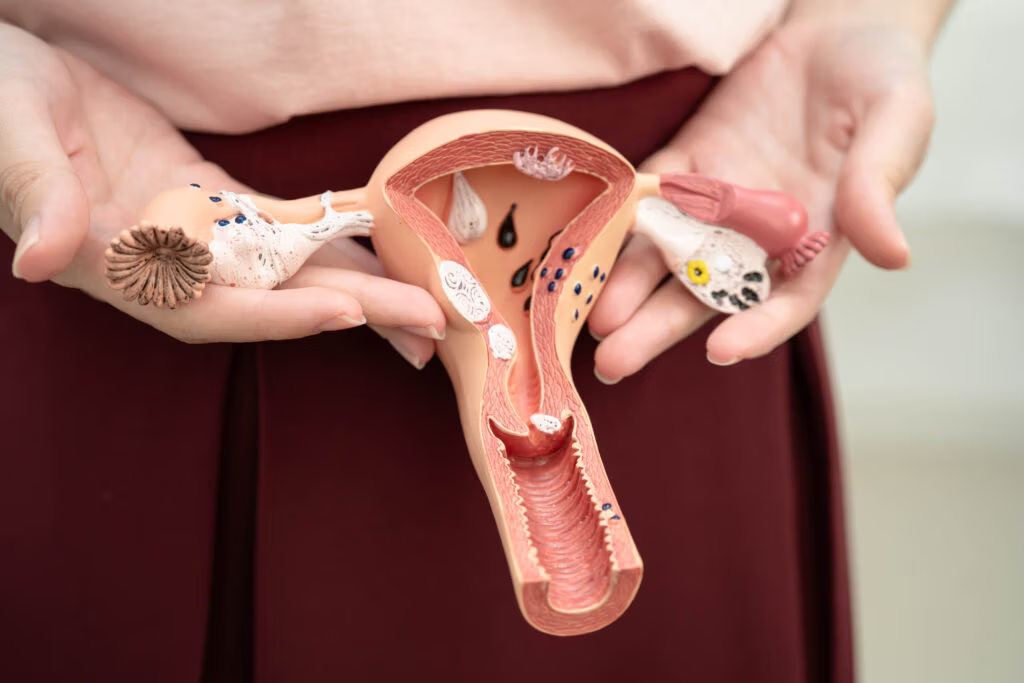
An endometrioma is a type of ovarian cyst formed when endometrial-like tissue grows inside the ovary, often filled with dark, thick blood, sometimes called a “chocolate cyst.” This condition is often misunderstood or misdiagnosed as a functional ovarian cyst, pelvic infection, or other gynecological disorders.
This page explains what endometrioma is, why it happens, and what patients should know about diagnosis and treatment, helping you understand your symptoms and navigate your care options.
Key Symptoms of Endometrioma
Common Symptoms of Endometrioma:
- Ovarian cyst pain: Dull or sharp discomfort in the pelvic region due to the cyst pressing on surrounding tissues.
- Severe menstrual cramps & pelvic pain during period: Pain often worsens during menstruation as hormone fluctuations affect the cyst.
- Painful ovulation & sharp pain in ovary: Many patients experience sudden, intense pain on one side of the pelvis when ovulating.
- Pelvic pressure: A sense of fullness or heaviness in the lower abdomen caused by cyst size and inflammation.
- Irregular menstrual bleeding: Cycles may become unpredictable or heavier due to hormonal imbalances caused by the cyst.
- Pelvic pain on one side: Endometriomas often develop in a single ovary, leading to unilateral discomfort.
Less Commonly Known Symptoms:
- Fatigue or low energy associated with chronic pelvic inflammation.
- Digestive discomfort if the cyst exerts pressure on nearby organs.
Symptoms That Mimic Other Conditions:
- Ovarian cyst infertility: Infertility issues can mimic other reproductive conditions.
- IBS or gastrointestinal pain due to pressure on bowel structures.
When Symptoms Tend to Worsen:
- During periods or ovulation.
- With sexual activity or strenuous physical activity.
- With bowel or bladder function if the cyst compresses nearby organs.
Causes & Risk Factors of Endometrioma
Endometriomas develop when endometrial tissue grows in the ovaries, forming cysts that may bleed and cause inflammation. Multiple factors contribute to their formation, including hormonal imbalances, inflammation, and genetic predisposition.
What Causes the Condition:
- Retrograde menstruation, where endometrial tissue flows back through the fallopian tubes and implants on the ovary.
- Chronic pelvic inflammation that promotes cyst formation.
Hormonal, Inflammatory, Anatomical, or Reproductive Contributors:
- Estrogen dominance fuels cyst growth and recurrence.
- Anatomical variations, like retroverted uterus, may increase susceptibility.
Risk Factors:
- Age: Most common in women of reproductive age.
- Genetics: Family history of endometriosis or ovarian cysts.
- Menstrual characteristics: Early menarche, heavy or irregular cycles.
- Prior surgeries: Pelvic surgeries may increase adhesion formation and cyst risk.
How Endometrioma Affects the Body
- Chronic inflammation: Leads to persistent pelvic pain and discomfort.
- Adhesions or scar tissue: Can cause organs to stick together, affecting function and mobility.
- Organ involvement (ovaries, uterus, bladder, bowel): Pressure from cysts may impact nearby structures.
- Impact on fertility: Endometriomas can reduce ovarian reserve, interfere with egg release, and complicate conception.
- Impact on quality of life: Pain, pressure, and menstrual irregularities can disrupt daily life and mental health.
Diagnosis: How Doctors Evaluate Endometrioma
- Patient history: Doctors review menstrual patterns, ovulation pain, and pelvic discomfort.
- Physical exam findings: Pelvic exams may reveal tender masses or ovarian enlargement.
- Imaging options: Transvaginal ultrasound, MRI, and pelvic ultrasound help visualize cysts.
- Surgical view: Laparoscopy can confirm the diagnosis and allow for simultaneous treatment.
- Misdiagnosis challenges: Symptoms often resemble functional ovarian cysts or pelvic inflammatory disease.
- What patients can expect: Stepwise evaluation involving history, imaging, and sometimes minimally invasive surgery.
Treatment Options for Endometrioma
A. Non-Surgical Care
- Pain management: NSAIDs and analgesics can help manage ovarian cyst pain and menstrual cramps.
- Hormonal treatments: Birth control, progestins, or GnRH agonists reduce cyst size and recurrence.
- Physical therapy & pelvic floor therapy: Alleviates pelvic tension and improves comfort.
- Anti-inflammatory strategies: Diet adjustments, supplements, and lifestyle modifications can reduce inflammation.
B. Surgical Treatments
- Laparoscopy: Minimally invasive procedure to remove cysts and affected tissue.
- Robotic surgery: Offers precision for complex or deep ovarian cysts.
- Excision vs ablation: Excision removes the cyst completely, while ablation destroys the tissue to reduce recurrence.
- Removal of lesions, cysts, fibroids, or affected tissue: Relieves pelvic pressure and pain.
- Multi-disciplinary approaches: Collaboration with reproductive specialists or urologists if nearby organs are involved.
C. Fertility Considerations
- Surgery may improve fertility by preserving ovarian tissue and removing adhesions.
- IVF may be recommended if ovarian reserve is compromised or natural conception is difficult.
- Endometriomas can reduce ovarian reserve and interfere with tubal or uterine function.
D. When Surgery Is Typically Recommended
- Severe ovarian cyst pain or sharp pain in ovary.
- Large or rapidly growing cysts.
- Infertility due to endometrioma or failure of conservative treatment.
Living With Endometrioma
- Symptom management: Track pain, cyst size, and triggers.
- Pain & period tracking: Helps guide treatment and identify flare patterns.
- Lifestyle support: Gentle exercise, stress management, and anti-inflammatory diet.
- When to seek help: Worsening pelvic pain, heavy bleeding, or sudden sharp pain in ovary.
- Mental/emotional health considerations: Chronic pain and infertility concerns can impact mental health; counseling or support groups may help.
Frequently Asked Questions (FAQs)
- Is this condition the same as endometriosis?
Endometrioma is a type of ovarian endometriosis where cysts form within the ovary. - Why does this cause pain during my period?
Cysts respond to hormonal changes, causing inflammation, severe menstrual cramps, and pelvic pain during period. - Can this condition affect fertility?
Yes, endometriomas can reduce ovarian reserve, interfere with ovulation, and complicate conception. - How long does it usually take to get diagnosed?
Diagnosis can take months to years due to symptom overlap with functional ovarian cysts and other pelvic disorders. - What exams should I ask my doctor about?
Transvaginal ultrasound, MRI, pelvic exam, and potentially diagnostic laparoscopy for definitive evaluation