
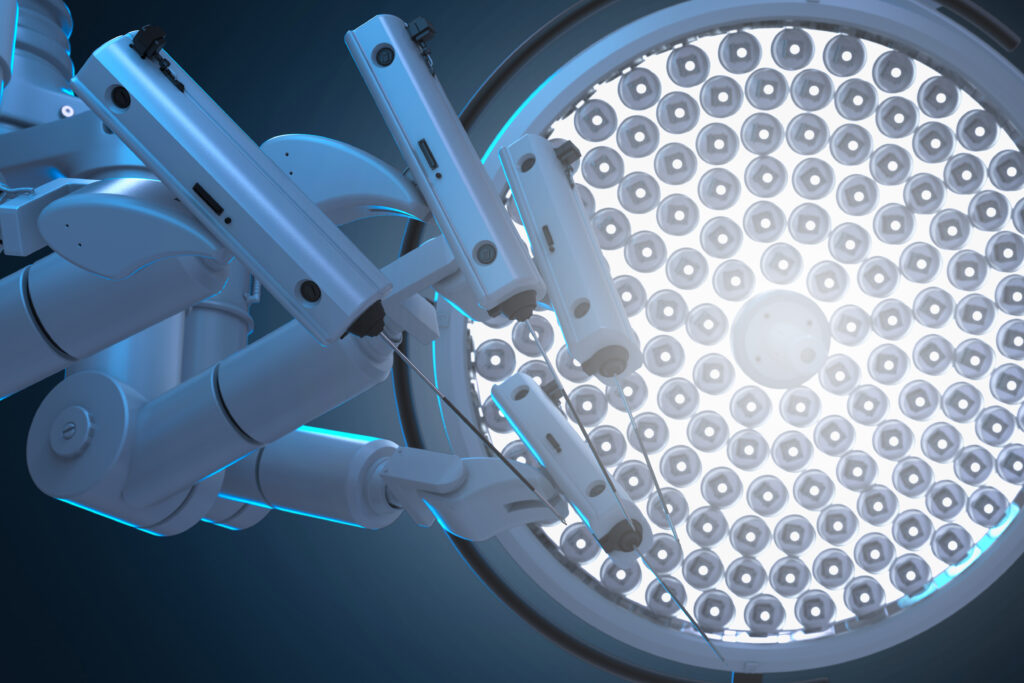
Advanced Laparoscopic and Robotic Hysterectomy Options for Fibroids, Endometriosis, Pelvic Pain and other complex pelvic pathology.
What is Minimally Invasive Robotic Hysterectomy?
A Minimally Invasive Robotic Hysterectomy is a surgical procedure that removes the uterus using small incisions, high-definition cameras, and advanced robotic instruments. It is performed to treat chronic pelvic conditions such as fibroids, adenomyosis, abnormal bleeding, or pelvic pain.
Unlike traditional abdominal hysterectomy, minimally invasive options, such as robotic hysterectomy offer greater precision, reduced complications, and faster recovery. Patients across Boston, Massachusetts, and New England have access to this method, performed by one of the world’s pioneers of gynecologic robotic surgery, for their significantly shorter downtime, lower pain levels, and improved long-term outcomes.
What Minimally Invasive Robotic Hysterectomy Treats (Conditions + Symptoms)
This procedure is recommended for patients experiencing:
Conditions
- Uterine fibroids (hysterectomy for fibroids): Fibroids are noncancerous growths in the uterus that can cause pain, heavy bleeding, or pressure on surrounding organs. A hysterectomy can effectively remove fibroids and alleviate these symptoms.
- Endometriosis (hysterectomy for endometriosis): Endometriosis occurs when uterine tissue grows outside the uterus, causing chronic pain, inflammation, and sometimes infertility. Minimally invasive hysterectomy can remove affected tissue while preserving surrounding organs.
- Adenomyosis (hysterectomy for adenomyosis): Adenomyosis is a condition akin to endometriosis, where the inner lining of the uterus grows into the muscular wall of the organ and causes fibrosis and inflammation, resulting in heavy periods and pelvic pain. Hysterectomy can provide definitive relief for severe cases.
- Abnormal or heavy menstrual bleeding: Persistent heavy bleeding can lead to discomfort, anemia, and lifestyle disruption. Hysterectomy can eliminate abnormal uterine bleeding and restore a normal quality of life.
- Chronic pelvic pain: Pain that lasts for months and is resistant to medication or conservative treatment can significantly affect daily living. Minimally invasive hysterectomy helps address the underlying causes of pelvic pain.
- Severe anemia caused by heavy periods: Chronic heavy bleeding can lead to dangerously low red blood cell counts. Hysterectomy helps eliminate the source of blood loss and restores overall health.
- Pelvic pressure or bladder/bowel symptoms: Enlarged uterus, fibroids, or prolapse can press on surrounding organs, causing urinary or bowel issues. Hysterectomy relieves pressure and improves organ function.
Common Symptoms
- Painful periods: Intense menstrual cramps that disrupt daily activities can often be relieved by removing the uterus.
- Pelvic pressure or swelling: Patients may experience persistent heaviness or fullness in the pelvic area, often due to fibroids or adenomyosis, which hysterectomy can resolve.
- Chronic back or abdominal pain: Persistent abdominal or lower back pain linked to uterine abnormalities can be alleviated through a minimally invasive hysterectomy.
- Heavy or irregular bleeding: Irregular cycles or unusually heavy periods can affect daily life and overall health. Hysterectomy provides a permanent solution.
Why This Approach Is Recommended
- Minimizes surgical trauma and related pain: Unlike open surgery, minimally invasive hysterectomy uses small incisions, reducing tissue damage and scarring.
- Reduces blood loss and scar tissue: Advanced techniques allow precise dissection, limiting bleeding and the formation of adhesions.
- Reduces the chance of all postoperative complications, including pelvic infections and pelvic abscess.
- Offers faster return to normal activities: Smaller incisions and less trauma result in quicker healing and shorter downtime.
- Provides superior visualization of pelvic anatomy: Robotic cameras magnify the surgical field, allowing surgeons to see delicate structures clearly.
- May reduce long-term pain and recurrence of symptoms: By targeting the root cause with precision, minimally invasive hysterectomy often leads to lasting relief from pain and other symptoms.
How Minimally Invasive Robotic Hysterectomy Works (Step-by-Step Overview)
- Small Incisions
The surgeon creates tiny incisions in the abdomen or uses a vaginal approach, depending on the hysterectomy type. - Advanced Visualization
A robotic 3D camera system provides magnified views of the pelvic organs. - Precise Surgical Dissection
Using robotic arms, the surgeon safely detaches the uterus from surrounding tissues.
- May include removal of ovaries (hysterectomy with oophorectomy)
- May preserve the cervix (supracervical hysterectomy)
- May include removal of ovaries (hysterectomy with oophorectomy)
- Removal of the Uterus
The uterus is removed through the vagina or via minimally invasive techniques, depending on the chosen method. - Completion & Closure
Small incisions are closed, resulting in minimal scarring.
Benefits of Minimally Invasive and Robotic Hysterectomy
- Minimally invasive with tiny incisions: Small incisions reduce pain, scarring, and the risk of infection compared with traditional open surgery.
- High-precision robotic technique: Advanced robotic systems enable surgeons to operate with greater accuracy and enhanced visualization of delicate tissues.
- Faster recovery time and quicker return to daily activities: Patients often resume normal activities within 2–4 weeks, much sooner than with an open abdominal hysterectomy.
- Less bleeding and lower infection risk: Smaller incisions and careful dissection minimize blood loss and reduce the likelihood of postoperative complications.
- Reduced postoperative pain: Targeted, precise surgery limits trauma to surrounding tissues, resulting in lower pain levels and decreased need for strong pain medication.
- Same-day discharge: Patients return home the same day or after an overnight stay, allowing for comfort and recovery in familiar surroundings.
- Lower complication rate vs. abdominal hysterectomy: Minimally invasive approaches are associated with fewer complications, including infection, blood clots, and adhesions.
- Preserves ovarian hormones when possible: When ovaries are not removed, natural hormone production continues, reducing the risk of early menopause.
- Fewer adhesions and reduced recurrence of pelvic pain: Precise surgical techniques reduce scar tissue formation, which can otherwise contribute to chronic pain or bowel issues.
- Improved quality of life: Relief from pain, heavy bleeding, and other symptoms leads to better daily function, sleep, and emotional well-being.
Who Is a Good Candidate for Minimally Invasive and Robotic Hysterectomy
You may be a candidate if you have:
- Uterine fibroids causing pain, pressure, or bleeding: Women with fibroids that lead to pelvic discomfort, heavy menstrual bleeding, or pressure on the bladder or bowel may benefit from minimally invasive hysterectomy to restore comfort and improve quality of life.
- Adenomyosis unresponsive to medication: When adenomyosis causes severe pain or heavy bleeding that does not improve with medication, hysterectomy can provide long-term relief and restore normal daily functioning.
- Heavy menstrual bleeding or irregular cycles: Women whose periods are persistently heavy or irregular, leading to anemia or lifestyle disruption, may choose hysterectomy as a definitive solution.
- Enlarged uterus or uterine abnormalities: Structural issues, such as an enlarged uterus, uterine polyps, or congenital abnormalities, can cause discomfort or interfere with normal function. A minimally invasive hysterectomy can remove these conditions effectively.
- Precancerous or early cancerous uterine conditions: Women with high-grade abnormalities or early-stage uterine cancer may undergo hysterectomy to prevent progression and remove affected tissue safely.
- Pelvic organ prolapse: Patients experiencing uterine prolapse, which can lead to pressure, urinary incontinence, or discomfort, may benefit from a hysterectomy to restore normal pelvic anatomy.
Risks & Considerations of Minimally Invasive Robotic Hysterectomy
Potential Surgical Risks
- Bleeding or infection: Although minimally invasive hysterectomy reduces blood loss compared with abdominal surgery, there is still a risk of bleeding during or after the procedure, which may occasionally require a blood transfusion.
- Reaction to anesthesia: General anesthesia is required for hysterectomy, which carries potential risks including nausea, allergic reactions, or breathing complications, though serious events are rare.
- Injury to nearby organs (bladder, bowel, ureters): During surgery, nearby structures can be inadvertently injured. Surgeons take precautions using advanced imaging and robotic precision, but this remains a possible complication.
- Blood clots: Surgery increases the risk of developing blood clots in the legs or lungs. Early mobilization, compression devices, and medications are used to reduce this risk.
- Scar tissue formation: Internal scarring can sometimes occur after surgery, potentially leading to mild discomfort or complications in the future, though minimally invasive techniques reduce this likelihood.
Recovery Expectations
- Most patients return home the same day.
- Light activity within a few days
- Full healing typically takes 4–6 weeks.
- Earlier recovery is expected with robotic approaches.
When Minimally Invasive May Not Be Possible
- Very large fibroids: If a patient has very large or multiple fibroids, it may be difficult to safely remove the uterus through small incisions. In such cases, a traditional abdominal hysterectomy may be recommended to ensure complete and safe removal.
- Extensive adhesions from prior surgeries: Patients who have had multiple abdominal or pelvic surgeries may develop scar tissue (adhesions) that can make minimally invasive techniques challenging or unsafe. Open surgery may be necessary to navigate these adhesions and avoid injury to surrounding organs.
- Certain cancer diagnoses requiring open abdominal access: For some uterine, ovarian, or cervical cancers, minimally invasive approaches may not provide sufficient access or visualization to remove all affected tissue. Open abdominal surgery allows the surgeon to thoroughly address the cancer and ensure optimal outcomes.
Recovery & What to Expect After the Procedure
- Return to Work:
Most minimally invasive patients return to work in 2–3 weeks; some earlier with robotic surgery. - Pain Management:
Usually managed with OTC medications; less narcotic usage compared with open surgery. - Physical Restrictions:
Avoid heavy lifting for 4–6 weeks. Walking is encouraged. - Healing Timeline:
Incisions heal within 1–2 weeks; internal tissues heal over several weeks. - Post-operative Changes:
- If ovaries are removed, patients may experience menopause after hysterectomy or menopause symptoms after hysterectomy, sometimes requiring hormone replacement after hysterectomy.
- If ovaries remain, hormonal cycles continue without periods.
- If ovaries are removed, patients may experience menopause after hysterectomy or menopause symptoms after hysterectomy, sometimes requiring hormone replacement after hysterectomy.
- Follow-Up Visits:
First follow-up typically 2–6 weeks after surgery.
Frequently Asked Questions (FAQs)
1, What is a hysterectomy?
A hysterectomy is the surgical removal of the uterus. It can be partial, total, radical, abdominal, laparoscopic, vaginal, supracervical, or robotic, depending on the condition being treated.
2. How long does a hysterectomy take?
Most minimally invasive hysterectomies take 1.5–3 hours, depending on complexity.
3. What happens during a hysterectomy?
The uterus is detached from surrounding tissues and removed through minimally invasive techniques using robotic instruments.
4. What is the hysterectomy recovery time?
Recovery typically lasts 4-6 weeks before the patient can resume regular activity.
5. Will I go into menopause after a hysterectomy?
Only if your ovaries are removed. Ovarian removal leads to surgical menopause and may require hormone therapy.
6. What is the hysterectomy cost or hysterectomy cost with insurance?
Cost varies by hospital and insurance plan. Many insurance plans cover a hysterectomy when medically necessary.
7. What are alternatives to a hysterectomy?
Depending on your diagnosis, alternatives may include hormone therapy, myomectomy, ablation, pelvic physical therapy, or endometriosis excision.
8. How do I prepare for a hysterectomy?
Preparation includes preoperative labs, medication review, fasting instructions, and arranging post-procedural support.